Gardening in July

SB_Juli

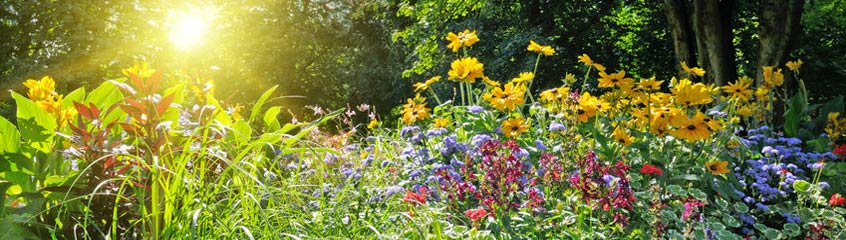
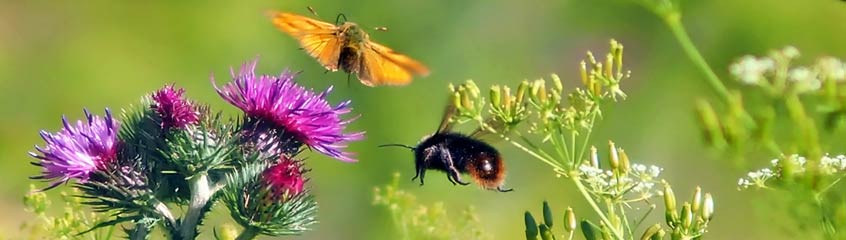
Summer is here! Flowers now dominate the garden. Everything shines and scents and is danced around by bees, bumblebees and butterflies.

read more

In July the spring vegetables have already been harvested and if you want to sow new vegetables now, you should loosen the soil deeply and then supply it with organic fertilizer such as horn meal. Now you can sow e.g. iceberg lettuce, lettuce or Romaine lettuce again. However, in very warm regions you may have to grow them indoors, as lettuce above 20°C germinates poorly.
When reseeding, you should also consider the crop rotation, which determines the order in which the vegetables can be planted in the same bed. This is because the different vegetables are divided according to their low, medium and high nutrient demand, which removes nitrogen from the soil to varying degrees.
This is the usual crop rotation: After high nutrient-demanding plants should follow medium nutrient-demanding plants in the bed, then low nutrient-demanding plants.  Then the soil should be able to recover for a year, e.g. with green manure. Also, you should not plant varieties of the same family directly after each other, but wait four years. However, in a small garden this is difficult to implement.
You can find an overview of low, medium and high nutrient-demanding plants here.

Flowers now dominate the garden. Everything shines and scents and is danced around by bees, bumblebees and butterflies. For an autumn pasture for bees and insects you can still sow marigolds, sunflowers and mallows or the green manure buckwheat, red clover, lupines and phacelia.
In general, the soil should not be left uncovered after the harvest. Green manure improves and recovers the soil, and protects it from wind erosion, dehydration and heavy rain. It also loosens the soil and ensures a good water balance. Now is also the time to spread your nettle liquid manure for the last time. Later in the year their application is not so useful anymore. For example, the leek is grateful about this small amount of fertilizer.

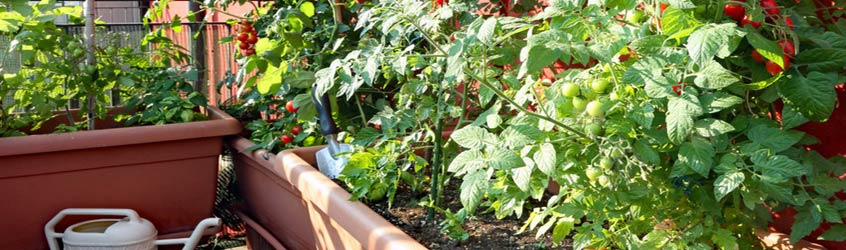
Your tomatoes should have reached a respectable size by now and have started to bear fruit. Remember to pinch out side shoots regularly, as this promotes fruit formation. Tomatoes also need to be watered regularly - they particularly like water that has been filled into watering cans the evening before and warmed up during the day, which is then used for watering in the evening.
If the plants have lots of green foliage but few flowers and fruit, the nutrient supply may be too good. With these plants, you can let the side shoots grow out and water them frequently so that the supply of fertilizer in the soil diminishes.
In humid summers, tomatoes often have to struggle with fungal diseases. What is feared is septoria leaf spot disease, which can be recognised by small, circular spot with a grayish-white center and dark edges. Small black spots may show up in the center. Affected tomato plant leaves turn yellow, wither, and fall off. The fruits can also be attacked. These leaves and fruits should be removed as early and quickly as possible in order to contain further spreading. An old household remedy, which was already used in the monastery gardens, is to spray the leaves with diluted skimmed milk (no whole milk, this contains too much fat and allows fungi to grow). To do this, mix 100 ml of skimmed milk in one litre of water. With this mixture you spray the whole plant (leaves with underside, stem and fruits). Depending on the weather, this procedure is repeated: in humid heat about every 10 days, in hot-dry weather about every 4 weeks and in any case after a rain shower.

In hot summers the tomatoes usually do very well, but the water supply of the garden is an important issue. A sprinkler works quickly, but unfortunately a large part of the water evaporates already during watering and many plants do not like wet leaves and flowers. Watering with a watering can is a good alternative, but it is very time-consuming in a large garden. Efficient and convenient is the installation of a drip irrigation. The constant dripping of water allows a deep penetration and the evaporation rate is minimized. Plants with shallow roots must be watered daily in the summer, deep-rooted plants should be watered abundantly, but not daily. A mulch layer is also a good protection against evaporation in summer.

close
Summer is here! Flowers now dominate the garden. Everything shines and scents and is danced around by bees, bumblebees and butterflies. read more »
Close window
Gardening in July

Summer is here! Flowers now dominate the garden. Everything shines and scents and is danced around by bees, bumblebees and butterflies.

Close filters
 
  •  
  •  
  •  
  •  
from to
No results were found for the filter!
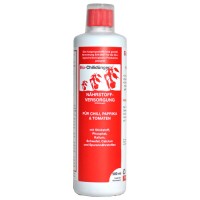
Organic Chili Fertiliser
For healthy and strong chili plants. Our Organic Chili Fertiliser is a compound fertiliser that ensures the optimum supply of nutrient for chili plants. This brand new development has led to the creation of the first organic...
Content 0.5 liter (€21.98 * / 1 liter)
€10.99 *
Tropf-Pflanzenbewaesserung_5er_Sparset_01.jpg
Drip Irrigation Tool Multi Pack
Five-piece multi-pack - save 20% compared to individual purchase Price The perfect holiday watering Enjoy your vacation and leave your plants to us! This simple plug-in system allows you to water your plants...
Content 5 Stück (€2.00 * / 1 Stück)
€9.99 *
Tropf-Pflanzenbewaesserung_01.jpg
Drip Irrigation Tool
The perfect holiday watering Enjoy your vacation and leave your plants to us! This simple plug-in system allows you to water your plants continuously. Simply fill a conventional PET water bottle and screw it on top, stick it in...
Content 1 Stück
€2.49 *
Vogeltraenke_1.jpg
Bird Bath
Weatherproof bird bath made of powder-coated metal All advantages at a glance: metal, powder-coated all year round Dimensions: 800 ml/ø 22 cm Colour: grey
Content 1 Stück
€19.99 *
Know-How
Der_Garten_im_Juli_1.jpg Gardening in July
In July the spring vegetables have already been harvested and if you want to sow new vegetables now, you should loosen the soil deeply and then supply it with organic...
Spruehflasche_0_5L_rot_Geli_1.jpg
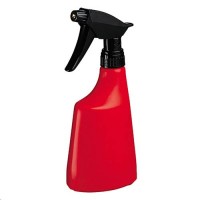
Spray Bottle 0,5L red Geli
Hand spray bottle for easy application of pesticides or for moistening plants. In winter, protect your favourite chili plants from unwanted inhabitants such as aphids, spider mites, thrips and white flies with a mixture of neem oil...
Content 1 Stück
€3.99 *
Kopfsalat_Claremont_1.jpg
Lettuce Claremont Seeds
Info: Lettuce `Claremont` is a small Romaine type with crisp leaves, excellent vigour, outstanding flavour and very little waste. It has a good resistance to bolting, and very good mildew resistance. The leaves are crisp, crunchy,...
Content 100 Stück (€0.02 * / 1 Stück)
€2.39 *
Viewed